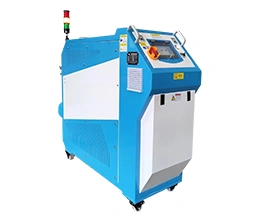
Crate and Tray Washing Machine Guide: Specifications & Applications
Crate and tray washing machines are specialized conveyorized cleaning systems designed to handle high volumes of reusable containers — plastic crates, metal trays, pallets, totes, and bins — that accumulate contamination during transport, storage, and production. Unlike manual washing or generic pressure washing, dedicated crate washers integrate multiple cleaning zones, water recycling, and drying into a continuous automated process. This guide covers how these systems work, key specifications, water management, applications, and selection criteria.
How Crate Washers Work: The Multi-Zone Process
Industrial crate washers use a tunnel or conveyor design where containers pass through a sequence of cleaning zones, each with a specific function. A well-designed system typically includes six zones:
- Infeed and pre-rinse zone: Containers are loaded onto the conveyor belt and pass through high-volume cold water spray nozzles that remove loose debris, soil, and bulk contamination. This zone uses recycled water from later stages to minimize fresh water consumption.
- Main wash zone: Hot water (60–85°C) with cleaning detergent is sprayed at high pressure from top, bottom, and sides to remove grease, protein residues, and stubborn contamination. The detergent concentration is automatically dosed based on water hardness and soil load.
- Scrubbing zone (optional): Rotating brushes contact the container surfaces mechanically, dislodging baked-on or sticky residues that spray alone cannot remove. Particularly important for containers carrying adhesive materials or baked goods.
- Rinse zone: Clean hot water (75–85°C) removes all detergent residue and remaining contaminants. This zone may include a sanitizing agent (peracetic acid or chlorine) for food-grade applications.
- Final rinse zone: Fresh potable water at 82–90°C provides a final sanitizing rinse, ensuring the container meets food safety standards. The water from this zone cascades back to the pre-rinse zone.
- Drying zone: High-velocity air knives or heated blowers remove residual moisture, leaving containers dry and ready for immediate reuse. Some systems use steam drying for faster results.
Key Specifications to Evaluate
| Specification | Compact Model | Mid-Range Model | High-Volume Model |
|---|---|---|---|
| Throughput (crates/hour) | 100–300 | 300–800 | 800–2,000+ |
| Max container size (mm) | 600×400×300 | 800×600×400 | 1,200×800×600 |
| Wash temperature (°C) | 60–80 | 70–85 | 75–90 |
| Rinse temperature (°C) | 75–82 | 80–85 | 82–90 |
| Connected power (kW) | 15–25 | 30–55 | 60–120 |
| Water consumption (L/crate) | 2–4 | 1–3 | 0.5–2 |
| Zones | 3–4 | 5–6 | 6–8 |
| Conveyor type | Flat belt | Flat belt or roller | Roller or modular |
Note: Water consumption per crate decreases with larger systems because they implement more sophisticated cascade water recycling. A high-volume model processing 1,500 crates per hour at 1 L/crate uses only 1,500 L/hour total — less than many household washing machines.
Water Recycling: The Cascade System
Water is the single largest operating cost and environmental impact factor for crate washers. Modern systems use a cascade (counter-current) water management design where fresh water enters only at the final rinse zone and flows backward through the system:
- Final rinse: 100% fresh potable water at 82–90°C
- Overflow from final rinse feeds the main rinse zone
- Overflow from main rinse feeds the main wash zone
- Overflow from main wash feeds the pre-rinse zone
- Pre-rinze discharge goes to a filtration screen and then to drain or further treatment
This cascade design reduces fresh water consumption by 60–80% compared to single-pass systems. Additional water savings come from: - Mesh filter screens that remove solid particles (labels, food debris, plastic fragments) before water enters the drain - Oil skimmers that remove floating grease from the main wash tank - Heat recovery exchangers that capture thermal energy from discharge water to pre-heat incoming fresh water
Applications by Industry
Food Processing
The largest application segment. Meat processing crates, dairy trays, bakery pans, produce bins, and seafood totes require sanitization between each use to meet HACCP and food safety regulations. Wash temperatures of 82°C+ and sanitizing rinse are standard requirements.
Logistics and Distribution
Distribution centers handling returnable transit packaging (RTP) — plastic pallets, collapsible containers, and stackable totes — use crate washers to remove dust, labels, tape residue, and contamination accumulated during transit. Throughput of 500–1,000 containers per hour is typical for large distribution hubs.
Pharmaceutical
Pharmaceutical manufacturing uses stainless steel trays and bins that must be cleaned to GMP standards. Washers for this industry feature all-stainless construction (304L or 316L), CIP (clean-in-place) capability, and validation documentation for temperature, pressure, and chemical dosing.
Automotive
Parts bins, component trays, and metal totes used in automotive manufacturing accumulate machining oils, metal fines, and cutting fluids. Washers for this application require higher pressure (8–15 bar), oil-skimming systems, and magnetic filtration to remove ferrous particles.
Selection Criteria
When evaluating crate and tray washing machines, consider these factors in priority order:
- Container dimensions and variety: Ensure the conveyor and wash chamber accommodate your largest container. If you wash multiple container sizes, verify quick-change guide rails and adjustable nozzle heights.
- Required throughput: Calculate based on daily container volume and operating hours. Add a 20% buffer for peak periods to avoid bottlenecking production.
- Contamination type: Protein and fat residues (food) require hot water and sanitizing zones. Oil and metal fines (automotive) require higher pressure and oil separation. Dust and light soil (logistics) can use lower-temperature washing.
- Food safety compliance: For food-contact containers, verify the system achieves 82°C+ final rinse temperature with documented temperature logging. NSF or equivalent certification may be required.
- Water and energy efficiency: Compare L/crate consumption and kW rating across models. Energy-efficient designs with heat recovery pay back quickly in operating cost savings.
- Material construction: Stainless steel (304 or 316) construction for all wetted components is essential for corrosion resistance and longevity. Avoid galvanized steel in wash chambers.
Maintenance Schedule
| Task | Frequency | Downtime |
|---|---|---|
| Inspect and clean spray nozzles | Daily | 15 minutes |
| Clean mesh filter screens | Daily | 10 minutes |
| Check detergent and sanitizer levels | Daily | 5 minutes |
| Drain and clean wash tanks | Weekly | 45 minutes |
| Lubricate conveyor bearings and chains | Weekly | 20 minutes |
| Inspect and clean heat exchangers | Monthly | 1 hour |
| Replace pump seals and check motor amps | Quarterly | 2–4 hours |
| Full descale of heating elements and pipes | Bi-annually | 4–6 hours |
| Conveyor belt replacement | Annually or as needed | 2–4 hours |
Neglecting daily nozzle cleaning is the most common cause of declining wash quality. Clogged nozzles reduce spray pressure and coverage, leading to poorly cleaned containers. A 5-minute daily inspection prevents hours of rework.
Need a Custom Crate or Tray Washing Solution?
JIENENG designs and manufactures conveyorized crate and tray washing systems with multi-zone cleaning, cascade water recycling, and food-grade sanitizing. Our systems are built to your container specifications and throughput requirements.
Request a Custom QuoteSummary
Industrial crate and tray washing machines provide automated, high-throughput cleaning for reusable containers across food processing, logistics, pharmaceutical, and automotive industries. The key to selecting the right system is understanding your container dimensions, throughput requirements, contamination type, and regulatory compliance needs. Multi-zone designs with cascade water recycling deliver the best combination of cleaning quality and operating efficiency, reducing water consumption by 60–80% compared to single-pass systems. Proper daily maintenance — particularly nozzle cleaning and filter inspection — ensures consistent wash quality and extends equipment life.