Industrial Mold Cleaning Techniques: Steam, Ultrasonic & Chemical Compared
Mold contamination — residue buildup, gas deposits, vent blockages, and cooling channel scale — directly impacts part quality, cycle time, and tool life. Choosing the right cleaning method for each contamination type and maintenance interval is critical for injection molding and die-casting operations. This guide compares the three dominant mold cleaning technologies and provides a recommended cleaning protocol.
The Three Cleaning Methods
1. Steam Cleaning
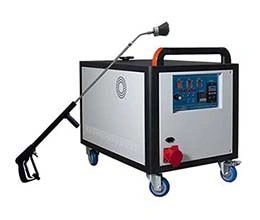
High-temperature steam (170–220°C) at moderate pressure dissolves grease, oil, and resin deposits on mold surfaces and inside cooling channels. Steam cleaning excels at removing volatile gas residues that accumulate in vent slots and parting lines. It requires no chemicals, uses minimal water, and leaves no residue. JIENENG's JNX-D3AK mold waterway cleaning machine specializes in steam-based cleaning of internal cooling channels where conventional methods cannot reach.
2. Ultrasonic Cleaning
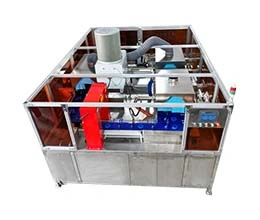
Ultrasonic cleaning uses high-frequency sound waves (20–40 kHz) transmitted through a heated chemical bath to generate cavitation bubbles. These bubbles implode on contact with mold surfaces, dislodging contaminants from blind holes, threads, and complex geometries. Ultrasonic cleaning is highly effective for precision components but requires chemical solutions and immersion tanks sized to the mold.
3. Chemical Cleaning
Chemical cleaning applies solvents, caustic solutions, or acid-based cleaners to dissolve specific contamination types. Mold releases, silicone residue, and rust respond well to targeted chemistry. However, chemical cleaning carries environmental, safety, and disposal costs, and aggressive chemicals can etch polished mold surfaces if exposure times are not carefully controlled.
Comparison Table
| Factor | Steam Cleaning | Ultrasonic Cleaning | Chemical Cleaning |
|---|---|---|---|
| Surface contamination | Excellent (grease, oil, gas residue) | Excellent (all types in bath) | Good (targeted by chemistry) |
| Cooling channel cleaning | Excellent (pressurized steam injection) | Limited (requires immersion) | Limited (flow-through only) |
| Complex geometry access | Good (steam reaches most areas) | Excellent (cavitation in blind holes) | Good (liquid penetration) |
| Chemical usage | None | Required (bath chemistry) | Required (solvents/acids) |
| Surface damage risk | Very low | Low (soft metals may erode) | Medium (etching, pitting) |
| Drying time | Seconds | Minutes (requires drying station) | Minutes (requires rinsing + drying) |
| Environmental impact | Minimal | Moderate (chemical disposal) | High (solvent/acid disposal) |
| Equipment cost | Medium | High (tank + generator) | Low to medium |
| Throughput | High (in-place cleaning) | Low (batch immersion) | Medium |
Mold Waterway Cleaning: A Specialized Challenge
Cooling channels are the most neglected part of mold maintenance. Scale, rust, and biological growth inside waterways reduce heat transfer, increase cycle times, and cause uneven cooling that warps parts. Traditional methods — wire brushes, acid flushes, compressed air — are partially effective at best and can damage channel walls.
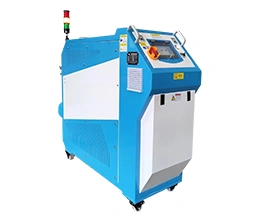
JIENENG's JNX-D3AK mold waterway cleaning machine uses pulsed high-pressure steam to remove scale and deposits from internal channels without disassembly. Key advantages include:
- Cleans channels up to 2 meters in length without mold disassembly
- Removes calcium scale, iron oxide, and biofilm simultaneously
- No chemical residue that could contaminate cooling water
- Restores heat transfer coefficient to near-new levels
- Compatible with beryllium copper, stainless steel, and standard tool steel channels
Recommended Cleaning Protocol
A tiered cleaning schedule maximizes mold life and part quality while minimizing downtime:
| Frequency | Method | Scope |
|---|---|---|
| Daily (per shift) | Steam cleaning (surface) | Parting line, vents, cavity surface, ejector pins |
| Weekly | Steam cleaning (waterways) | Cooling channel flush, water line inspection |
| Monthly | Ultrasonic cleaning | Disassembled components: inserts, sliders, ejector pins, cores |
| Quarterly | Chemical cleaning (as needed) | Stubborn resin deposits, silicone buildup, rust treatment |
This protocol minimizes chemical exposure to polished surfaces while ensuring deep cleaning of complex geometries on a regular schedule. The combination of daily steam cleaning and monthly ultrasonic cleaning covers 90% of contamination scenarios without chemical intervention.
How Cleaning Affects Mold Lifespan
Systematic cleaning extends mold life in measurable ways:
- Reduced corrosion: Removing acidic gas residues and moisture prevents pitting and surface degradation, extending polished surface life by 30–50%
- Maintained cooling efficiency: Clean waterways sustain consistent cycle times, preventing thermal stress that causes crack initiation
- Preserved vent function: Clear vents prevent gas burns and short shots, reducing scrap rates and the need for aggressive rework
- Reduced mechanical wear: Clean ejector pins and sliding surfaces operate smoothly, reducing galling and seizure
- Better part release: Residue-free surfaces reduce the need for mold release agents, which themselves contribute to contamination buildup
Molds maintained with a structured cleaning protocol typically achieve 20–40% longer service life compared to reactive, contamination-driven cleaning.
Optimize Your Mold Maintenance
JIENENG offers specialized mold cleaning equipment including the JNX-D3AK waterway cleaning machine and industrial steam cleaners for surface cleaning. Our team can help design a cleaning protocol for your mold inventory.
Discuss Your Mold Cleaning NeedsSummary
Effective mold cleaning requires matching the method to the contamination type and maintenance interval. Steam cleaning provides fast, chemical-free surface and waterway cleaning for daily and weekly maintenance. Ultrasonic cleaning delivers deep geometry cleaning for monthly component maintenance. Chemical cleaning handles specific stubborn contaminants on a quarterly basis. By combining these methods in a structured protocol, injection molding and die-casting operations can extend mold life by 20–40%, reduce scrap rates, and maintain consistent cycle times — all while minimizing environmental impact from chemical usage.