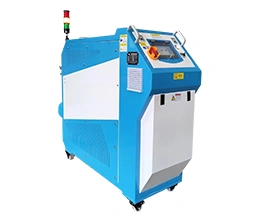
Industrial Cleaning Equipment Maintenance: Complete Guide
Industrial cleaning equipment represents a significant capital investment — typically $3,000 to $50,000 per unit, with automated tunnel washers reaching $100,000+. Yet many facilities treat maintenance as an afterthought, leading to premature failures, reduced cleaning quality, and costly emergency repairs. A structured maintenance program can extend equipment life by 40–60%, maintain consistent cleaning performance, and reduce total cost of ownership by avoiding the 3–5x premium of reactive repairs over planned maintenance. This guide provides detailed maintenance schedules for the three most common categories of industrial cleaning equipment.
Why Maintenance Matters
Industrial cleaning equipment operates under demanding conditions: high pressures, elevated temperatures, chemical exposure, and continuous duty cycles. Components degrade predictably over time, and addressing wear before failure prevents cascading damage. For example, a worn pump seal costing $50 to replace can, if neglected, allow water ingress into the crankcase, contaminating the lubricating oil and destroying a $2,000 pump within days.
Beyond preventing failures, regular maintenance preserves cleaning effectiveness. Scale buildup on heating elements reduces thermal efficiency by 15–30%. Clogged spray nozzles reduce pressure by 20–40%. Worn brush bristles reduce mechanical scrubbing action. These gradual degradations are often unnoticed until cleaning quality drops to an unacceptable level — by which point multiple components need simultaneous replacement.
Steam Cleaner Maintenance
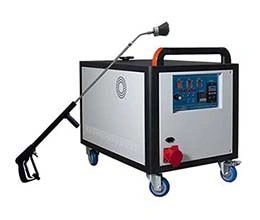
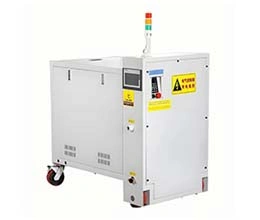
Steam cleaners combine high-temperature boilers, pressure pumps, and electrical control systems. Their maintenance focuses on water quality management, boiler descaling, and pump longevity.
Daily Tasks (5–10 minutes)
- Drain and flush the boiler to remove sediment and scale particles — critical for areas with hard water
- Inspect steam hoses and fittings for leaks, cracks, or heat damage
- Check water level sight glass or sensor for accurate readings
- Wipe down exterior surfaces and control panel — remove chemical residue and water spots
- Verify pressure gauge returns to zero when system is off (indicates gauge health)
Weekly Tasks (20–30 minutes)
- Inspect and clean water inlet filter screen — replace if torn or deformed
- Check pump oil level and condition — oil should be amber/clear, not milky (water contamination) or dark (overheated)
- Test safety pressure relief valve — manually actuate to confirm it opens and reseats properly
- Inspect electrical connections on heating elements for discoloration or loose terminals
- Run a descaling cycle if water hardness exceeds 200 ppm (use manufacturer-approved descaler)
Monthly Tasks (1–2 hours)
- Full boiler descaling — circulate descaling solution through the boiler and heating element per manufacturer instructions
- Replace water inlet filter cartridge
- Inspect and lubricate pump crankcase bearings (if serviceable)
- Check steam nozzle orifices for wear or erosion — replace if diameter has increased by more than 10%
- Test all safety interlocks: low-water cutoff, over-temperature shutdown, door switches
- Inspect and tighten all hose clamps and pipe connections
Annual Tasks (4–8 hours, schedule during planned downtime)
- Replace pump seals and check valve assemblies
- Replace all steam hoses showing any signs of cracking or delamination
- Calibrate pressure and temperature sensors against reference instruments
- Inspect heating element resistance and insulation — replace elements showing >10% resistance drift
- Flush and refill pump crankcase oil with manufacturer-specified grade
- Inspect and replace control panel fuses and contactors as needed
- Pressure-test the complete system at 1.5x rated pressure for leak integrity
Pressure Washer Maintenance
Pressure washers share many maintenance requirements with steam cleaners but add engine maintenance (for diesel/gas models) and high-pressure pump servicing.
Daily Tasks
- Flush system with clean water after each use — prevents chemical residue and sediment buildup
- Inspect high-pressure hose for cuts, abrasions, and fitting damage
- Check trigger gun operation — safety lock should engage and release smoothly
- Inspect spray nozzles for wear (a worn nozzle produces a wider, less focused spray pattern)
- For diesel models: check engine oil level, coolant level, and fuel filter water separator
Weekly Tasks
- Clean water inlet filter and check for debris in the bypass line
- Check pump oil level — top up with SAE 30 non-detergent oil or manufacturer-specified grade
- Inspect unloader valve operation — listen for smooth pressure transition when trigger is released
- Lubricate trigger gun pivot points and check safety lock mechanism
- For diesel models: check air filter element, clean or replace as needed
Monthly Tasks
- Replace pump oil (first 50 hours, then every 500 hours or monthly for heavy use)
- Inspect and clean burner nozzle and electrode gap (for hot water units)
- Check fuel line connections for leaks (diesel models)
- Inspect high-pressure hose couplings for corrosion and thread wear
- Test thermal dump valve operation — should open at rated temperature to prevent scalding
- For diesel models: change engine oil and oil filter, check fuel filter
Annual Tasks
- Replace pump seals, check valves, and O-rings (full pump service kit)
- Replace high-pressure hose if any signs of wear are present (do not wait for failure)
- Descale heating coil (for hot water models) — use circulation pump with descaling solution
- Replace trigger gun assembly if internal seals show wear
- Full engine service for diesel models: injectors, valves, belts, thermostat
- Inspect and replace electrical components: pressure switch, thermostat, contactors
Tunnel Washer Maintenance
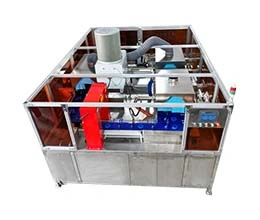
Conveyorized tunnel washers are the most maintenance-intensive category due to their size, number of components, and continuous operation. They require dedicated maintenance technicians and a computerized maintenance management system (CMMS).
- Daily: Clean all spray nozzles, inspect conveyor belt for damage, check detergent dosing levels, drain and clean pre-rinse tank
- Weekly: Clean mesh filter screens, lubricate conveyor drive chain, inspect heat exchanger for scale, check all pump seals for leakage
- Monthly: Descale heating elements, replace filter cartridges, inspect and adjust conveyor belt tension, check all solenoid valves, test temperature sensors
- Quarterly: Replace pump mechanical seals, inspect and clean oil skimmers, check drive motor amperage, inspect spray bar alignment
- Annually: Full conveyor belt replacement (if wear exceeds 30%), replace all chemical dosing tubes, calibrate all instruments, pressure-test all tanks, full electrical inspection
Common Problems and Solutions
| Problem | Likely Cause | Solution |
|---|---|---|
| Reduced cleaning pressure | Worn nozzle, clogged filter, pump wear | Replace nozzle, clean filter, check pump pressure output |
| Inconsistent temperature | Scale on heating element, faulty thermostat | Descale heating element, calibrate or replace thermostat |
| Water in pump crankcase | Worn pump seals | Replace seal kit immediately, change crankcase oil |
| Pump short-cycling | Worn unloader valve, air in system | Service unloader valve, purge air from system |
| Steam quality dropping | Boiler scale buildup, low water quality | Descale boiler, install or service water softener |
| Conveyor jerking or stalling | Chain wear, insufficient lubrication, debris | Lubricate chain, remove debris, adjust tension, replace if stretched |
| Deterrent dosing inconsistency | Clogged dosing tube, worn peristaltic pump tube | Replace dosing tube, clean injection point |
Maintenance Log Best Practices
A documented maintenance log is essential for warranty compliance, troubleshooting, and regulatory audits. Best practices include:
- Record every maintenance action with date, technician name, parts replaced, and observations
- Track operating hours (not just calendar dates) for component replacement intervals
- Log water hardness readings — escalating hardness indicates softener service needed
- Photograph worn components before replacement — useful for failure analysis and warranty claims
- Set automated reminders in your CMMS for upcoming scheduled tasks
- Conduct quarterly maintenance reviews to identify recurring issues and adjust schedules
Need Maintenance Support for Your Equipment?
JIENENG provides maintenance kits, spare parts, and technical support for all our industrial cleaning equipment. We also offer scheduled maintenance contracts for facilities without dedicated technicians.
Contact SupportSummary
Structured maintenance is the single most effective way to protect your investment in industrial cleaning equipment. Daily tasks (nozzle cleaning, filter checks, boiler draining) prevent the gradual degradation that erodes cleaning quality. Weekly and monthly tasks (oil changes, descaling, safety testing) address wear before it becomes failure. Annual overhauls (seal replacement, hose replacement, sensor calibration) extend equipment life by 40–60% compared to reactive-only maintenance. The most common failure mode — water contamination of pump crankcases from neglected seals — costs $50 to prevent but $2,000+ to repair. A documented maintenance log, combined with operating-hour-based scheduling rather than calendar-based scheduling, ensures your equipment delivers consistent performance throughout its intended lifecycle.