Steam Cleaning vs Pressure Washing: Which Is Better for Industrial Cleaning?
Steam cleaning and pressure washing are the two most widely used methods for industrial cleaning, yet they work on fundamentally different principles. Choosing the wrong method wastes money, damages equipment, and fails to meet cleanliness standards. This article breaks down how each technology works, compares them head-to-head, and explains when to use which.
How Each Method Works
Steam Cleaning
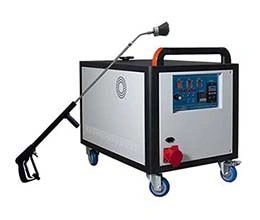
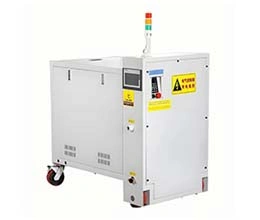
Steam cleaning uses high-temperature saturated steam (170–220°C) at moderate pressure (6–30 bar) to dissolve grease, oil, and contaminants. The thermal energy breaks down molecular bonds in hydrocarbon deposits, while the steam velocity flushes loosened material away. Because steam contains very little water volume, surfaces dry quickly and wastewater is minimal.
Pressure Washing
Pressure washing relies on high-velocity water jets at high pressure (100–1,500 bar) to physically blast contaminants off surfaces. The mechanical force of the water does the work, often assisted by chemical detergents for better results on grease and oil. Pressure washing uses large volumes of water and typically does not achieve sanitization.
Head-to-Head Comparison
| Factor | Steam Cleaning | Pressure Washing |
|---|---|---|
| Temperature | 170–220°C | Ambient (10–40°C typical) |
| Pressure | 6–30 bar | 100–1,500 bar |
| Water consumption | 2–8 L/min | 10–30 L/min |
| Grease removal | Excellent (thermal dissolution) | Good (mechanical force + chemicals) |
| Sanitization | Yes (thermal kill at 180°C+) | No (requires chemical disinfectants) |
| Chemical usage | None or minimal | Often required |
| Surface damage risk | Low | High (can etch metal, damage seals) |
| Drying time | Seconds to minutes | Minutes to hours |
| Wastewater volume | Very low | High |
| Equipment cost | Medium to high | Low to medium |
When to Choose Steam Cleaning
Steam cleaning is the superior choice when any of the following apply:
- Heavy grease and oil: Thermal dissolution breaks down hydrocarbon deposits that pressure washing struggles with, especially baked-on carbonized grease
- Sanitization required: Food processing, pharmaceutical, and cleanroom environments where chemical residues are unacceptable
- Water-sensitive areas: Electrical panels, control systems, and machinery where excess water causes damage or corrosion
- Confined spaces: Low water volume means less splash and overspray in tight work areas
- Environmental compliance: Zero-chemical cleaning reduces wastewater treatment costs and regulatory burden
- Hazardous areas: ATEX-certified steam cleaners can operate in Zone 1/Zone 2 where pressure washers cannot
When to Choose Pressure Washing
Pressure washing remains the right tool for certain applications:
- Bulk debris removal: Mud, scale, rust flakes, and loose particulate on large surfaces
- Concrete and flooring: Warehouse floors, loading docks, and exterior surfaces
- Large outdoor equipment: Construction machinery, vehicles, and structural steel
- Cost-sensitive applications: Where initial equipment budget is the primary constraint and sanitization is not required
Cost Comparison
While steam cleaners have a higher upfront cost, the total cost of ownership often favors steam over a 3–5 year period:
- Water savings: Steam uses 70–90% less water, reducing both water bills and wastewater disposal costs
- Chemical savings: Zero chemical consumption eliminates recurring detergent costs and chemical storage
- Energy efficiency: Modern electric steam boilers convert 95%+ of input energy to steam
- Reduced downtime: Fast drying means equipment returns to service in minutes, not hours
- Compliance savings: No chemical discharge permits or specialized PPE for chemical handling
Not Sure Which Method Fits Your Application?
JIENENG engineers can assess your cleaning requirements and recommend the optimal solution — steam, pressure, or a combined approach. We manufacture both technologies and provide unbiased recommendations.
Get Expert AdviceSummary
Steam cleaning and pressure washing each have distinct advantages. Steam excels at degreasing, sanitization, water conservation, and use in sensitive or hazardous environments. Pressure washing is better for bulk debris removal on large, robust surfaces where sanitization is not a concern. For most industrial manufacturing applications — especially those involving grease, oil, food safety, or environmental compliance — steam cleaning delivers superior results with lower long-term costs. The best approach may be to deploy both technologies for different cleaning tasks within the same facility.